For many businesses, social media feels like a necessary chore. You post, you engage, you collect likes and followers, but when the leadership team asks, "What's the ROI on our social media spend?" the answer is often a vague reference to "brand awareness" or "engagement."
Likes, shares, and follower counts are comforting, but they don't pay the bills. This focus on "vanity metrics" is the single biggest reason why most social media strategies fail to deliver tangible business results. The truth is, your social media channels can and should be powerful engines for generating leads and driving revenue.
The key is to stop treating social media like a billboard and start treating it like a system. This article provides a strategic framework to transform your social media presence from a simple "like"-gathering machine into a predictable, revenue-generating channel.
The Mindset Shift: From Vanity Metrics to Business Metrics
The first step is a fundamental shift in how you measure success. While a large following can be beneficial, it's a means to an end, not the end itself.
- Vanity Metrics (What to move away from): Follower count, likes per post, reach, impressions. These indicate attention but not necessarily intent or action.
- Business Metrics (What to focus on): Leads Generated, Cost Per Lead (CPL), Conversion Rate, Customer Acquisition Cost (CAC), and Revenue Attributed to Social Media. These metrics connect social media activity directly to your bottom line.
To make this shift, you need a framework that systematically guides your audience from passive followers to active customers.
The 4-Step Framework to Convert Followers into Customers
This framework is designed to create a clear path from initial discovery on social media to a final business action.
Step 1: Define Your "Conversion" on Social Media
Before you can generate leads, you must define what a "lead" is for your business in the context of social media. A conversion isn't always a direct purchase, especially for B2B or high-value services.
A meaningful conversion could be:
- A content download: A user provides their email in exchange for a guide, whitepaper, or case study.
- A webinar registration: A follower signs up for an educational event.
- A newsletter subscription: A user opts-in to receive regular communication.
- A demo request or consultation booking: A high-intent action that signals a user is ready to talk business.
By defining this, you give your social media efforts a clear, measurable goal beyond just getting likes.
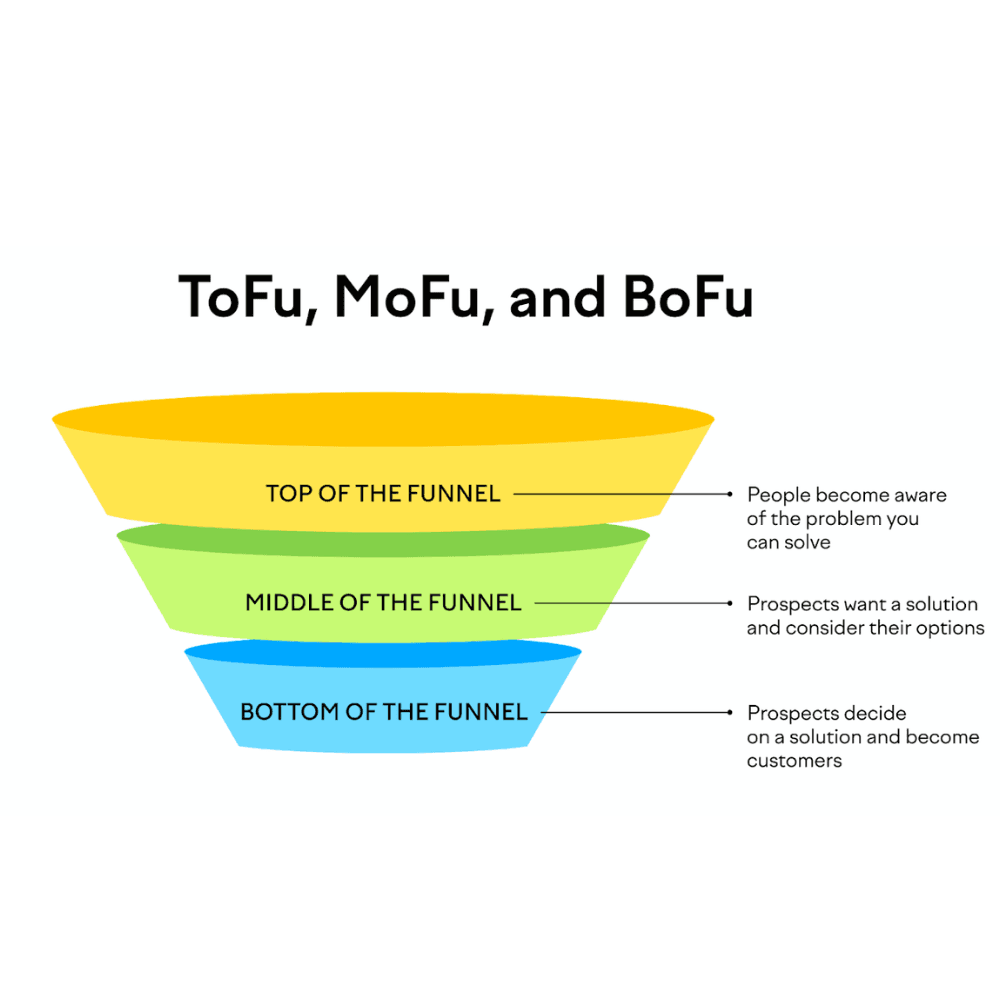
Step 2: Engineer Your Content Funnel
Stop posting randomly. Every piece of content should have a purpose and serve a specific stage in the customer journey.
- Top of Funnel (Attract & Engage): The goal here is to capture the attention of your target audience and build a following. This content should be educational, entertaining, and valuable, without asking for anything in return.
- Examples: Short-form videos explaining an industry trend, insightful infographics, thought-provoking questions, behind-the-scenes looks at your company culture.
- Metric: Follower growth, reach, engagement rate.
- Middle of Funnel (Nurture & Capture): This is where the magic happens. The goal is to convert your engaged audience into leads by offering something of high value in exchange for their contact information.
- Examples: Promoting a downloadable "Ultimate Guide," inviting followers to a free webinar on a critical topic, sharing a snippet of a case study with a link to the full version.
- Metric: Landing page visits, conversion rate (downloads/registrations), Cost Per Lead.
- Bottom of Funnel (Convert & Close): This content is for the leads you've already captured and the followers who are clearly ready to buy. The goal is to drive a direct business action.
- Examples: Customer testimonials, product demo videos, limited-time offers, posts with a direct call-to-action like "Book a Free Consultation."
- Metric: Demo requests, sales inquiries, revenue.
Step 3: Build a Bridge Off Social Media
One of the biggest mistakes businesses make is keeping the entire conversation on platforms they don't own (like Facebook, LinkedIn, or Instagram). The ultimate goal of your mid-funnel content is to move the relationship to a channel you control, like your email list or CRM.
- Use Dedicated Landing Pages: Every mid-funnel offer (guide, webinar, etc.) must have a simple, clear landing page with a form to capture lead information.
- Craft Clear Calls-to-Action (CTAs): Your social media posts must explicitly tell the user what to do next. Don't just say "check out our new guide." Say, "Download your free guide to [achieve specific outcome] at the link in our bio."
Step 4: Measure What Matters with Precision
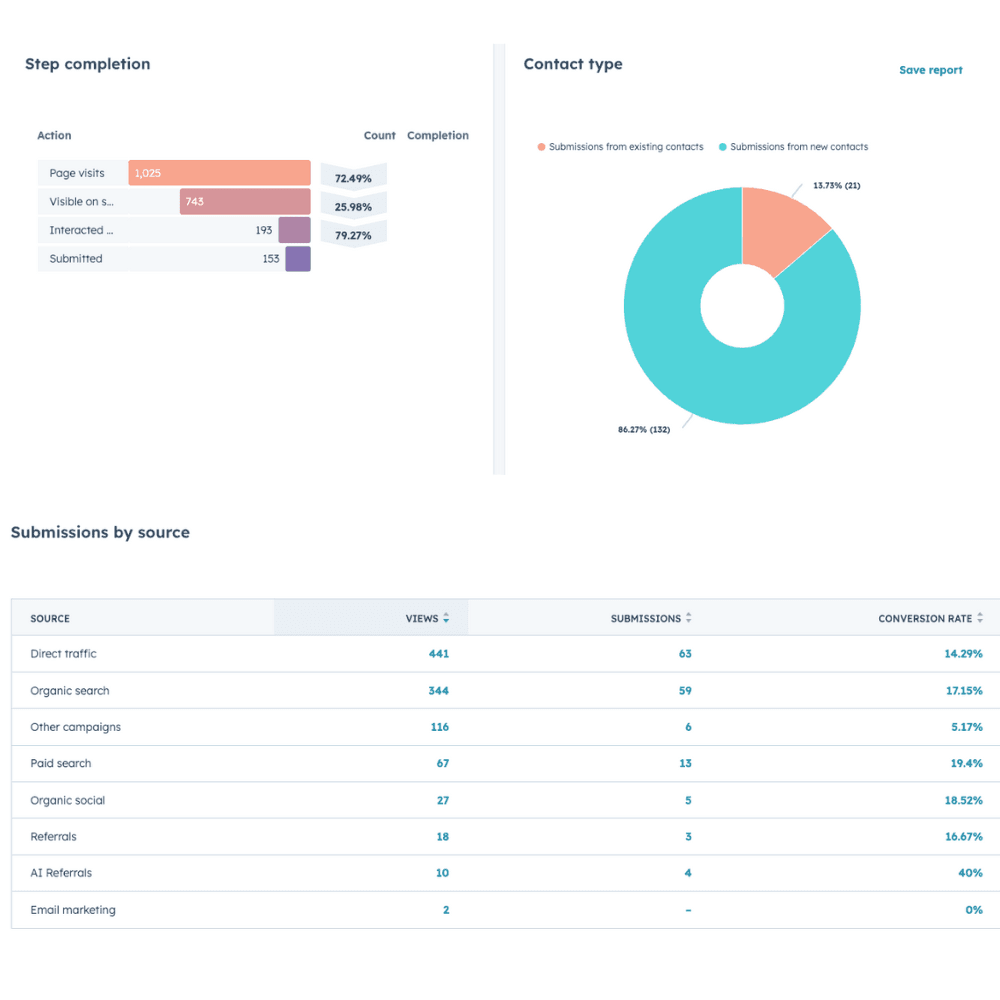
This is how you prove ROI. To connect your social media activity to business results, you must track the entire user journey.
- Use UTM Parameters: Add UTM tracking codes to every link you share on social media. This allows you to see in Google Analytics exactly how much traffic and how many conversions are coming from each specific platform and post.
- Set Up Conversion Goals: In your analytics platform, create goals for every defined conversion (e.g., a "Thank You" page visit after a form submission).
- Connect the Dots: By combining these two, you can answer critical questions like: "How many leads did our LinkedIn campaign generate last month?" and "What is the conversion rate of traffic from Instagram vs. Facebook?"
Putting It All Together: A Mini Case Study
Imagine a B2B consulting firm.
- Before: They posted company news and articles. Each post got around 50 likes but generated zero trackable leads.
- After Implementing the Framework:
- Top of Funnel: They created a series of short videos on LinkedIn answering common questions their clients ask. Follower engagement tripled.
- Middle of Funnel: They produced an in-depth PDF guide titled "The 5 Biggest Mistakes to Avoid in." They promoted it with posts that had a clear CTA: "Download our free guide to protect your business."
- The Bridge: The link led to a dedicated landing page where users entered their email to get the guide.
- Measurement: Using UTMs, they tracked that in the first month, their LinkedIn posts drove 500 visitors to the landing page, resulting in 150 new leads (a 30% conversion rate).
- Bottom of Funnel: These 150 leads were nurtured through an automated email sequence, which led to 5 new client consultations within the next two weeks.
Now, when leadership asks for the ROI, they can confidently say, "Our social media strategy generated 150 qualified leads and 5 sales opportunities this month."
Conclusion: Stop Counting Likes, Start Driving Revenue
Social media is far too powerful a tool to be relegated to a simple "brand awareness" channel. By shifting your mindset from vanity metrics to business metrics and implementing a strategic framework focused on a content funnel, clear calls-to-action, and precise measurement, you can transform your social channels into a predictable and profitable engine for growth.